
Qalandars of Silsila Suharwardia Qalandariyya
The Illustrious Qalandariyya and Suhrawardiyya Orders
This account explores the intertwined spiritual lineages (silsilas) of the Qalandariyya and Suhrawardiyya Sufi orders, highlighting the majestic saints who shaped their history and spread their teachings.
Hazrat Jamal al-Din Saoji (R.A.)
Hazrat Jamal al-Din Saoji (R.A.) (d. c. 1232–33 CE) stands as the illustrious founder of the Qalandariyya path. Known simply as Jamaluddin Saoji, he was a majestic saint (wali) of Allah, celebrated for his profound renunciation of the world and singular devotion.
The distinct branch known as the Suhrawardiyya Qalandariyya lineage finds its roots in the noble figure of Hazrat Syed Yusuf Marwandi, widely known as Shahbaz Qalandar (R.A.).
The Suhrawardiyya Silsila and the ‘Chaar Yaar’
The blessed Suhrawardiyya silsila was originally founded by Hazrat Shahabuddin Suhrawardi. His spiritual mantle was inherited by the eminent saint Hazrat Bahauddin Zakariyya Multani (R.A.).
Hazrat Bahauddin Zakariyya (R.A.) settled in Multan (now Pakistan), establishing it as a major center for the Suhrawardiyya order. His remarkable spiritual kinship with three other great contemporary saints—Hazrat Shahbaz Qalandar, Hazrat Baba Farid, and another revered figure—is famously known as the ‘Chaar Yaar’ (The Four Friends).
The Fusion of Two Paths: Suhrawardiyya-Qalandariyya
While the Qalandars often practiced a more unconventional, ‘blame-worthy’ (Malamati) path, Hazrat Bahauddin Zakariyya Multani (R.A.) nevertheless recognized profound spiritual merit among them.
He granted the Khirqa-e-Khilafat (the robe of succession) to Hazrat Lal Shahbaz Qalandar (R.A.) (1177 CE–1267 CE) of Marwand, thereby initiating the unique and powerful Suhrawardiyya-Qalandariyya silsila. This act of initiation bridged the two orders, uniting their spiritual energies. It is perhaps telling that the Sheikh of Multan, known to have a “weakness for poetry,” found his chosen ones among the Qalandars, many of whom were gifted poets, despite their outwardly contradictory ascetic practices.
Another favorite disciple whom he initiated was Hazrat Fakhruddin ‘Iraqi, who also lived the life of a typical Malamati, further demonstrating Hazrat Zakariyya’s open-minded approach to spiritual seekers.
Spreading the Mantle to Southern India
The spiritual chain continued through Hazrat Shaikh Ali Zuwaliqi (R.A.), who became the esteemed successor and carried the mantle of the Qalandariyya tradition.
This great silsila was ultimately established in Southern India by Hazrat Syed Matahruddin Pir Nathar Dhol Samandar (R.A.), ensuring the continuation and flourishing of the teachings in a new region.
Hazrat Syedna Baba Hyder-e-Safdar Suharwardy
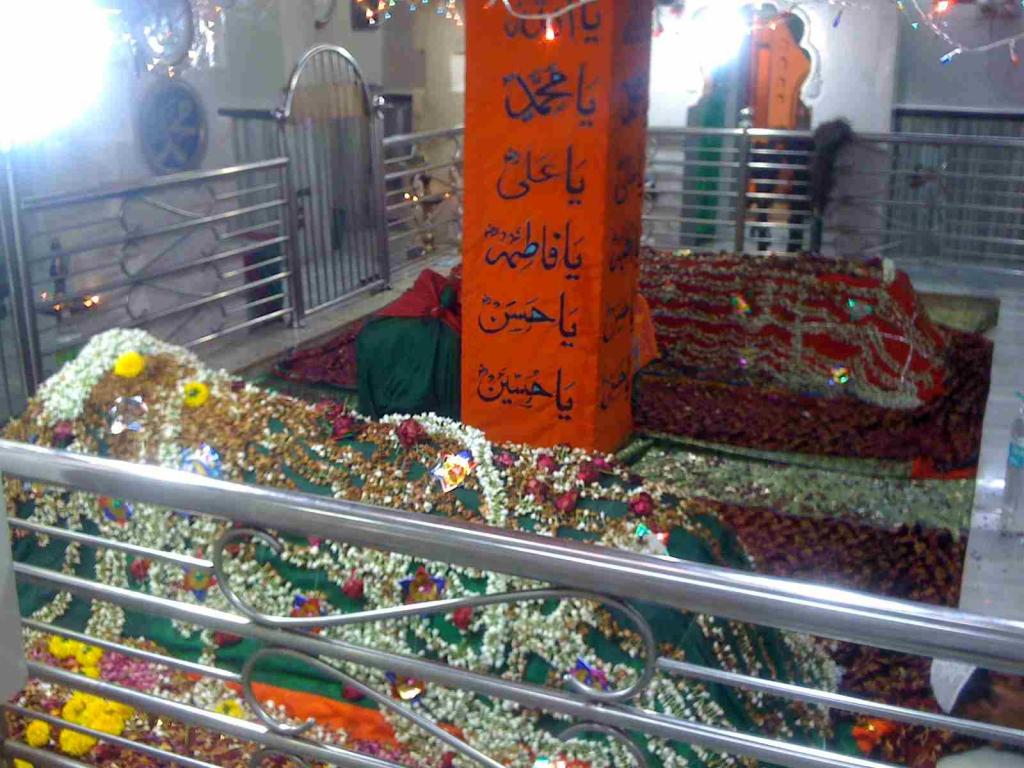

Hazrath Syed Shah Baba Hyder Auliya Hussaini Suharwardi (Rahmatullah Alaih) is a 12th century Sufi saint of the Suharwardi order. He was the disciple of Hazrath Tabr-e-Aalam Baadshah Nathar Vali (RA), of Tirchy. His mausoleum is located in Mulbagal, Kolar District, Karnataka.
Hazrath Baba Hyder-e-Safdar vali (RA), was originally named as Syed Ismail who was a king of Sabhunat, Iran. After renouncing the world , he was inducted into Surwardy Sufi order by his spiritual master, Hazrth Baba Nathar Wali of Tirch. hen Baba Hyder-e-Safdar came to India it was the regime of Gayasuddin Balaban in Delhi and Halebeedu Hoysala in Southern India. He settled in Mulbagal along with 300 qalandars and his companions, Hazrath Haji Makki and Hazrath Baba Syed Fatehullah Shaheed, and began to spread the word of the Suharwardy Order.
Baba unified with Almighty in 1269 (11th of Rajab, 668 Hijri). Baba Hyder-e-Safdar (R.A)’s first Urs sandal was anointed by Syedual Aaarifien Sultanul Masakin Qutubul Aqtaab Hazrath Syedna Khwaja Baba Fakruddin (Rahmatullah Alayh) of Penukonda who was also a desciple of Hazrath Baba Nathar Vali (RA). Dargah of Baba Hyder Wali is revered as Saani chowk for Karnataka and Andhra Pradesh regions by fakirs and the abode of Hazarath Baba Fakhruddin (R.A) is Sadar Chowk for these regions. His mausoleum is visited by people of all faith and religion.
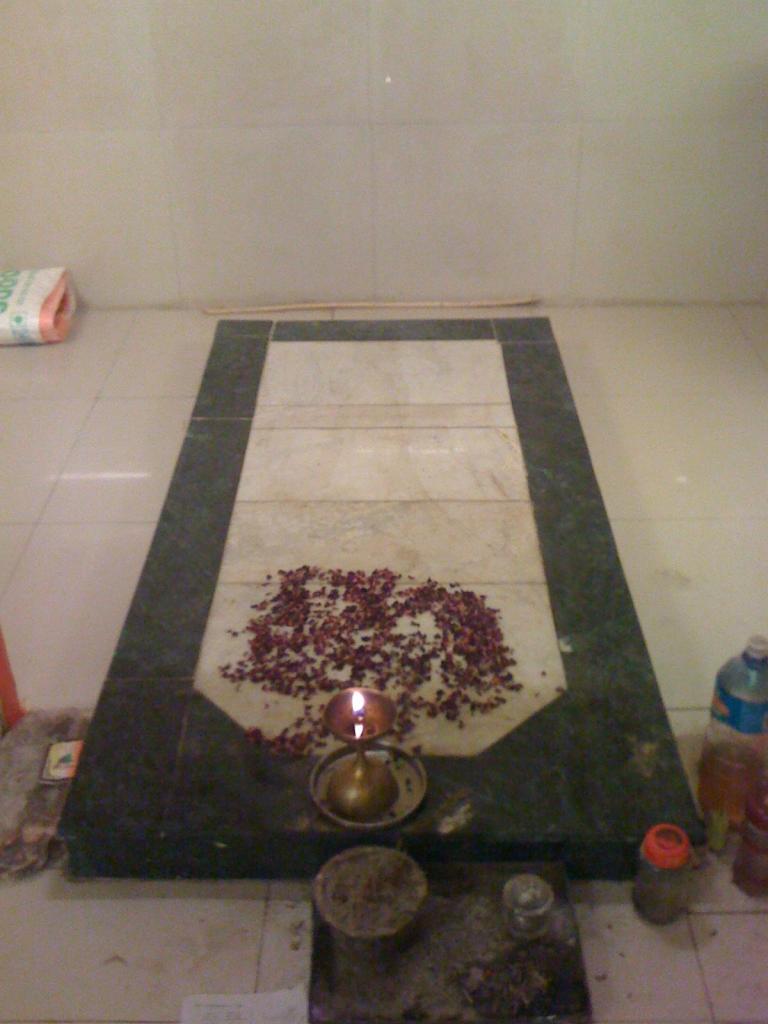
Urs of Hazrath Baba Hyder-e-Safdar (RA) is celebrated every year on 11th of Rajab (according to Islamic calendar) which is attended with lots of people from various parts of India.
